
Vulnerability is not only a definitive term but it is an intrinsic emotion that we all experience from time to time. Apply this to a war setting and the feelings of vulnerability are intensified, so much so that every audience member is rooting for them every step of the way, even if the characters aren’t developed fully. I will be analyzing 3 films that depict vulnerability, not only in battle but also in the heightened form of male masculinity that every soldier strives to achieve, which causes that emotional and personal conflict. These films include, Full Metal Jacket (1987), Platoon (1986) and Jarhead (2005), which are all contained films that focus specifically on a group of soldiers during a real conflict.
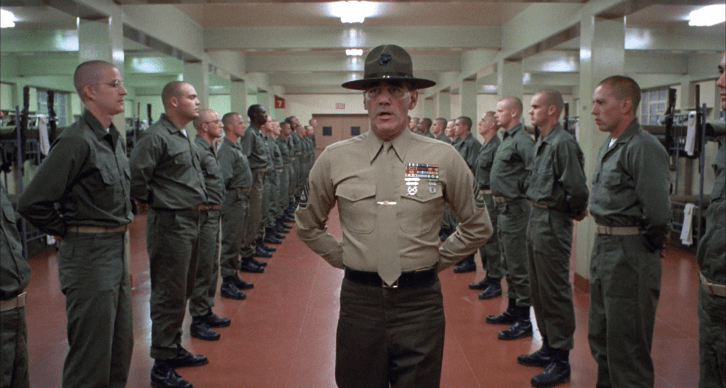
War promotes a toxic environment, one that is both physically and mentally draining because soldiers are constantly put in a vulnerable situation, even before they set foot in the battlefield. This leads me into my first example, Full Metal Jacket (1987), which follows a group of soldiers in recruit training for the marine corps. The first half of this film is an examination of men trying to achieve a state of hegemonic masculinity, where they have to be seen as dominant. This type of masculinity is cemented in the opening scene, where sergeant Hartman’s words consist only of commands and statements, with no room for emotional expression. A key character analysis is Private Pyle and the connection he has with Sergeant Hartman and Private joker.
Private Pyle represents the vulnerability in all of us. He is a character who messes up in the training program on numerous occasions and gets punished. His failures whether that would be on the obstacle course or rifle training can be due to his fear of commitment and confidence, which are two elements that people experience in everyday life. However his continuous mistakes costs not just him but his relationship he has with his fellow soldiers. In a pivotal scene, we see his fellow soldiers repeatedly beat him with bars of soap in his sleep because the more he messes up; the more his fellow soldiers suffer. This is shown when Sergeant Hartman finds a jelly doughnut in his footlocker and forces everyone else to do pushups whilst he eats the doughnut in front of them. As a viewer, we cant help but feel a little frustrated for his failures but the torture scene comes off as heartbreaking, as this man is getting physically punished for simply not living up to this mode of masculinity. This is because we see ourselves in this man, as a model of failure because everyone fails and stumbles in life, so we feel every hit that he does.
However, it’s this scene that sparks, quite possibly the biggest comeback in cinematic history and we are rooting for him every step of the way. The night after, we see a transformed Private Pyle to say the least. Private Joker witnesses him talking to his gun whilst he puts it together, almost as if he has gone insane. Private Joker is an important character because he acts like a diminished father figure, as he is the only person that Private Pyle ever shares his worries too. Private Pyle gains personal strength and begins to excel on the rifle course as he hits the target successfully, a remarkable improvement from his previous attempts. He answers back to Sergeant Hartman with punctuality and confidence, it comes later that Sergeant Hartman awards him the role of riflemen. At this point, Private Pile has gone from a hated figure to a character of rising strength. However, just when you thought he had overcame his obstacles, he was still carrying emotional demons. We already saw glimpses of a possibly psychologically damaged man when he was talking to his rifle, but the scene where Private Joker finds him in the bathroom holding a rifle, suggests something deeper is occurring. He say’s “I am in a world of shit” to Private Joker. This is clearly a verbal expression of his damaged mental state, he later shoots himself in the mouth.
What makes this suicide evermore significance is that it shows despite his triumph over his obstacles, he was still carrying and repressing emotional demons. It is clear that he needed emotional care that the boot camp didn’t posses and he felt that he had no one close to him for support. This is a pivotal scene for the viewer as we have witnessed a great deal of emotional pain and yet the actual warfare hasn’t even began. This is a type of emotional vulnerability had reached a critical level. We often associate physical vulnerability with warfare but the emotional vulnerability can be just as crucial, as shown with the case of Private Pyle. The way the film concludes emphasizes this theme of emotional vulnerability, as the soldiers sing the Mickey Mouse theme after an intense action scene, which suggests they never really transformed into the macho soldiers that they were trained for, almost if they were still boys at heart.
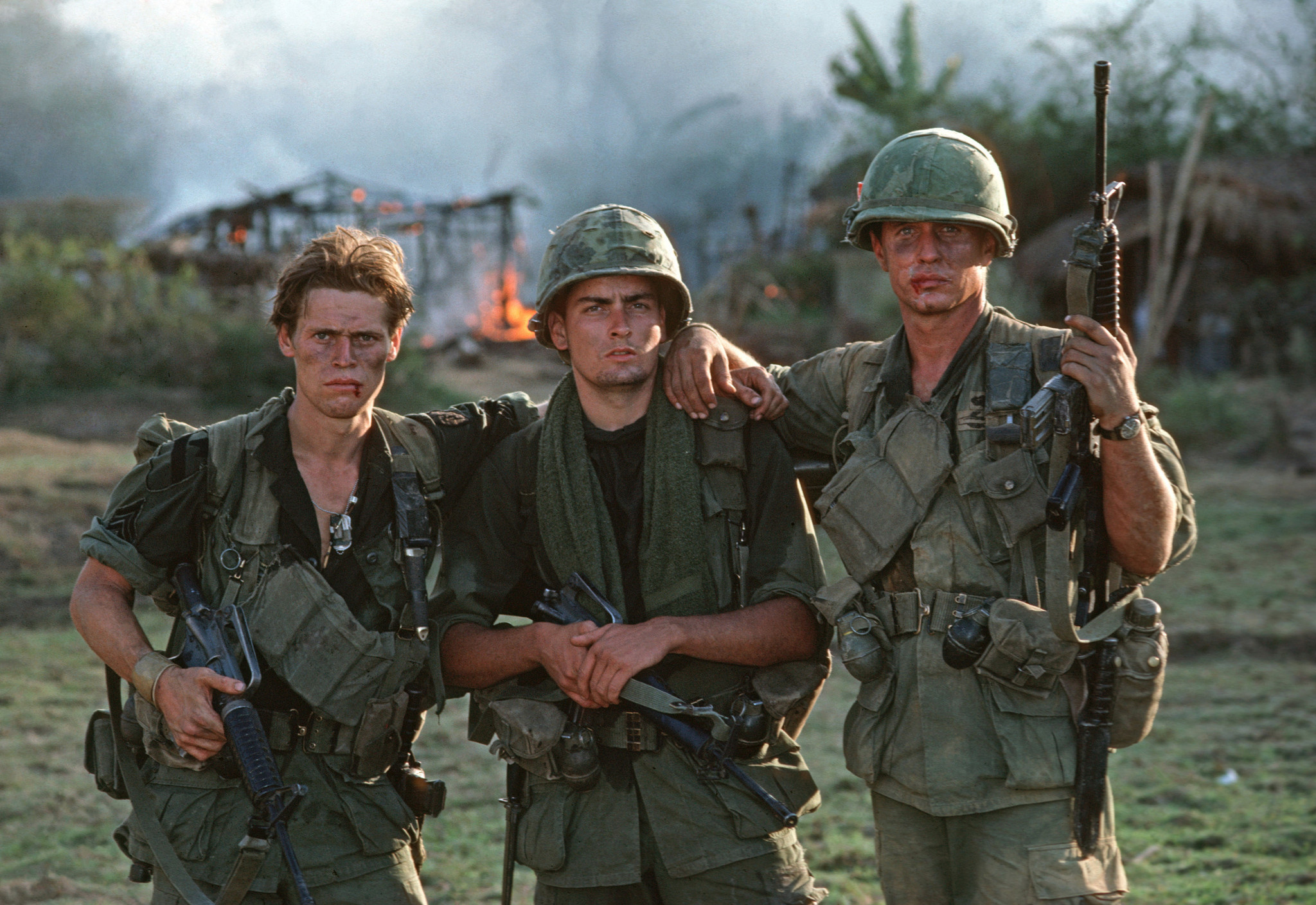
The films Platoon (1986) and Jarhead (2005) are very interlinked in the way they address there themes of vulnerable masculinity, but it leans more towards toxic masculinity as both films focus specifically on a group of soldiers, that way it gives the audience an emotional and conflicted look on the soldier’s personal problems. In Platoon (1986), Charlie Sheen’s character ‘Chris Taylor’ is a collage dropout who feels lost in life and decides to join the army because he hasn’t got a clear path. We can relate to him and yet his character is never fully developed. This is heightened in the opening where we see him walking past veterans who have just finished their shift in the war, some look scarred and stare back at Chris. This is backed up by the score Adagio for Strings, which plays throughout and helps us connect even more with him. The scene that shows these themes in the physical format is the nightshift scene, where Chris hands the night shift responsibility to Junior who then falls asleep. Chris is still awake and witnesses Gooks approaching, leading to an explosive attack.
Chris gets the blame from Sgt. Barnes for the attack, even when he confesses his innocence; his fellow soldiers shun him down. This scene suggests that all the soldiers are afraid to take this feared level of responsibility as they have urges to blame others because they don’t want to be seen as weak on the inside. We see this later in the film when Junior sprays mosquito repellent on his feet to avoid warfare, Bunny later calls him a pussy. Sgt. O’Neil later breaks down in tears to Sgt. Barnes, saying he’s got a bad feeling about this conflict and he doesn’t know whether or not he will survive. These are men who are struggling to fit the mental demands of hegemonic masculinity because they have a constant urge to not be seen as weak. That emotional breakdown is really the only scene where we see a soldier cry. The film concludes clearly on a thematic level, reiterating the theme of emotional vulnerability as Chris’s monologue at the end suggests that it was more about the conflict between the soldiers than the warfare itself that caused the most harm.
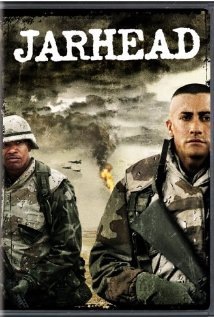
In Jarhead (Mendes), Jake Gyllenhaal plays ‘Anthony Swofford’, who immediately gets thrown into an uncomfortable position in order to be accepted in the platoon. The soldiers hold him down and threaten to burn a symbol on his leg. This act is an attempt from the soldiers to set a masculine tone in the platoon, that one has to endure physical pain in order to be accepted. Before warfare has begun, Anthony has been put in a physically vulnerable scenario. Again, we care about this character because we can relate to this level of human vulnerability of acceptance and yet we still don’t know much about him. Much of the emotional pain he experiences isn’t from the warfare, it’s from the training and the fact that his girlfriend cheats on him. It’s these problems that cause the most mental damage to the character. In some cases, like Private Pile, the repression of these feared emotions can cause soldiers to loose their sanity, an example of this is when Anthony is teaching Fergus how to use the rifle, and Anthony looses his mind and begs Fergus to shoot him.
Upon my analysis of these three films, it’s about the emotional pain that lies behind the warfare that becomes most significant to the soldiers wellbeing and psychological state. The critical factor that these films depict is that these highly intensified vulnerable moments; whether that’s physical or emotional occur even when there are no battle sequences. Much of this pain is a product of men not wanting to be seen as weak, to become hegemonic, the most dominate form of male masculinity. These repressions of feared emotions, causes soldiers to act out in violent ways, as shown with Private Pyle and Anthony Swofford.
 TheReviewAwakens
Reblogged this on TheReviewAwakens.
LikeLike