
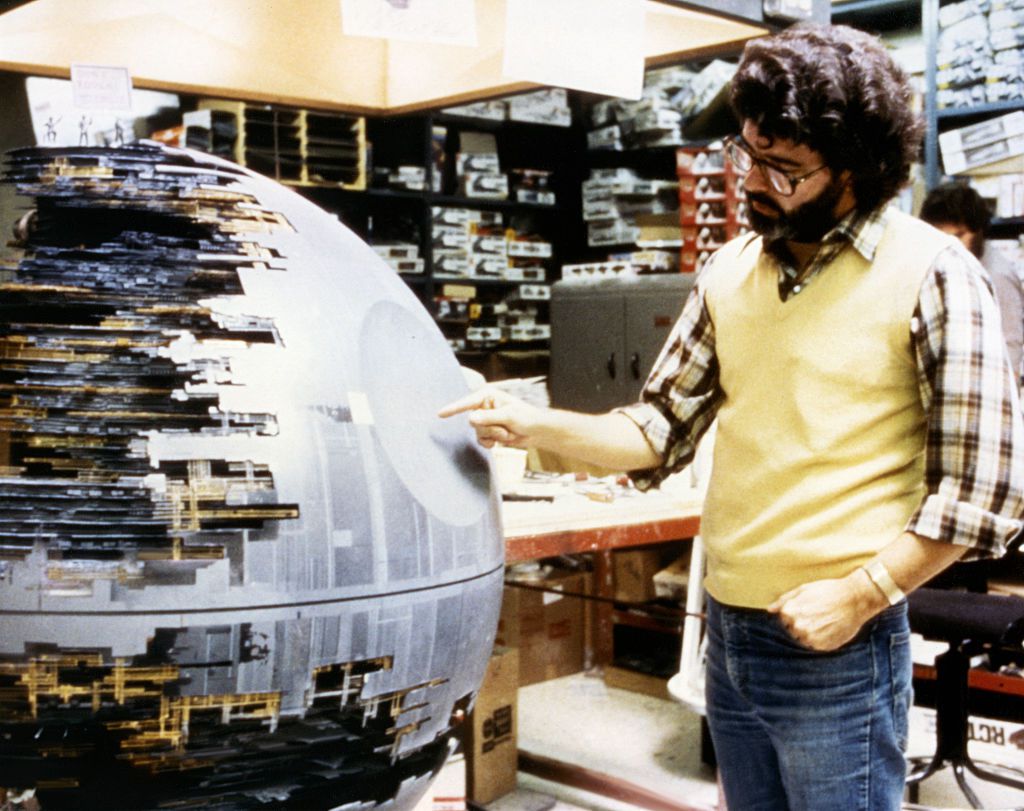
Wookies, spaceships, gunfire, lightsabers!
Those terms are what we remember from Star Wars, but what about the context surrounding its release?
We all know what Star Wars has become, but its history its actually fascinating. Lets find out more about how this machine landed on screens in 1977. This my take on how the film got made. Here we go!
1) New Hollywood
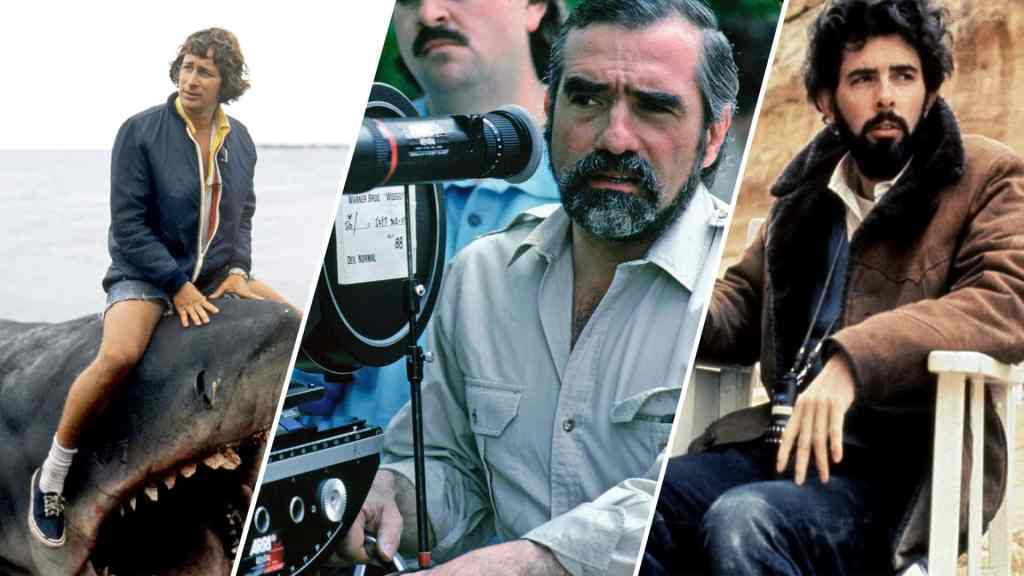
Star Wars was released during what was known as new hollywood and the American new wave.
New Hollywood was a period where there was more clear understanding of genres in
film, the 60’s was a time for horror and Sci Fi. New Hollywood could also be
described as an influential time for film directors as many filmmakers went
independent from studio systems, which to some extent provoked further unique
creativity. In the late 60’s, the industry was taking shape and was becoming more
developed, with the introduction of rating systems.
This rating system would help distinguish the genre of film and made going to the movies a prestigious experience. This will be important by the time Star Wars comes out which I will get into later. The 1970’s for the film industry were a tough period financially, America had experienced a recession in 1969 where they had made a loss of $600 million between 1969-71, this had impacted the film industry right throughout the 70’s.
This made studios usually dismiss projects that were low budget productions and indie films. When we look at high grossing films in the New Hollywood era, most of them were studio produced, most notably Psycho and the classic western The Good, the Bad and the Ugly. Hollywood wasn’t interested in George Lucas’s fancy new idea about wookies.

These directors played close attention to the production process and post-production process. For example, the editing process of their films gives the director complete control of their picture and editing became a part of the art form in the 70’s, which George Lucas and Steven Spielberg utilized effectively used in their films during this time.
The American new wave consisted of George Lucas, Steven Spielberg, William
Friedkin, Martin Scorsese and Francis Ford Coppola, for the purpose of this
George Lucas as a technical auteur in the industry. The term auteur became a well-understood idea in Hollywood in the 70’s because it was being taught in film schools. If you watch his earlier work including American Graffiti and THX-1138, you can definitely see the auteur traits come through.
Upon George Lucas’s upbringing, the sci fi genre was starting to introduce itself and
take shape to audiences in the 50’s. George Lucas grew up watching movie serials
on television, which included a lot of sci fi. Some of These films were usually centered
on the fear of the unknown, featuring space aliens, spaceships and sea creatures.
The narrative was usually told around these creatures, they were at the focal point of
the plot. On the basis of the sci fi genre, it was still being explored. For example, with the release of the science fiction classic 2001: A Space Odyssey. That film was classified as science fiction, which had the theme of exploration, contained in its plot but the film was artsy and open for interpretation because of its non-linear narrative, which made it attract a more specific audience type. This goes to show that Science fiction was’nt set in stone and was still being explored.
Yet, Star Wars has a more structured and mainstream narrative progression, which makes it more accessible to wider audiences because doesn’t have to target a specific demographic.
Rather than explain science, it makes it fun, which makes for an easy going cinematic experience. Although, thought provoking science fiction can still work wonders. 2014’s Interstellar is one of the best examples of this. Compelling human drama in space, without the lightsabers, but with more complication.
Back to the American New Wave
The majority of the American new wave compromised of directors who graduated
from art school, more specifically UCLA and NYA. The common theme that these directors share is the content of their films were original stories and all had artistic visions when approaching a new project. George Lucas in particular came from more of an artistic background in film with a passion for documentary films, more specifically cinema Verite and the canyon cinema movement. When he was making American Graffiti, his ambitions for the film were to document the classic social interactions, common amongst students. It was a documentary with style.
This leads me into the critical success and cultural impact of Star Wars, why was it such a hit in 1977? Because it showed audiences what Hollywood was capable of in terms of technology. This added to the fact that the film was originally rated U by the BBFC, which meant that all audiences could go and see Star Wars.
To a large extent, Star Wars was a social commentary on how people lived their lives. It documented characters behavior on making both the right and wrong decisions. In my opinion, this type of science fiction was vastly different to the works of Ridley Scott’s Alien. It had a much different tone and feel. Perhaps, audiences prefer that kind of science fiction. The more human it is, the more we can relate.
3) The Star Wars story

Why do we love the Star Wars story so much?
It’s fundamentally a hero story for everyone.
From every angle you look at, it’s still a fun story to tell. There are relevant themes placed in the Star Wars universe that exist in todays society. It’s about human drama at the core and for that it’s timeless.
In terms of the narrative, It’s story is based around good vs evil and having a
character who aspires for something greater, which is a very relatable theme for all
audience types. The narrative is good vs evil, in the good we saw Luke Skywalker who has dreams of fighting for the empire and becoming a Jedi warrior. This has become the novelty of the Star Wars franchise, the theme of Good vs evil has remained a prominent element to the success of the franchise ever since the originals release back in 1977.
It was a positive film. This theme was helped by the music of John Williams. Releasing a Star Wars film today is probably quite different. There is a different context and our cultural understanding of Star Wars has changed over the years. We know what to expect from a new Star Wars movie and we have expectations.
Did you enjoy reading this?
To read more, click here.
You can buy all nine Star Wars films here.
You can also watch the whole history come together in this documentary.
Author bio

Sam is a content writer. He loves all elements connected with film and writes with passion, always. You can find him on his Linkedin, where you will be able to read more articles. When he is not writing, you can find him practicing football.

 TheReviewAwakens