
It has been over 30 years since Stanley Kubrick’s The Shining hit theatres and left its mark on American Pop culture. Jack Nicholson gave a one in a million performance and Stanley Kubrick’s direction was very particular, as always. However, we all remember The Shining for its unsettling imagery and horror elements, but we tend to drift away from its psychological representation, particularly in the main antagonist, Jack Torrance. We can see this character, slowly self destruct throughout the film and its all signs of an untreated psychological illness.
The film’s location is an ideal set up for isolation. One that can promote poor psychological health. The family stay in a mansion that is set in the middle of nowhere. Isolation plays a key role in Jack Torrance’s descent into madness, even when his loved ones are near, they still cant save him from his internal misery. Jack Nicholson is known for his performances that are driven by a sense of insanity, a complete loss of control, which we have seen in performances such as One Flew Over The Cuckoo’s Nest (1975) and Batman (1989), but his performance in the Shining (1980) is more relatable in the topic of men’s mental health. On the outside, he is a former alcoholic and father figure who is desperately trying to support his son and wife. He is completely driven by his career as a professional writer and even begins to prioritize that over his family. The echoing yet nerving sound of the typewriter becomes a representation of his chaotic mental state. He never confronts his pain but uses physical anger on his wife Wendy, played by Shelley Duvall as a release for his anguish. Perhaps he has always been mentally ill but has never had it treated.
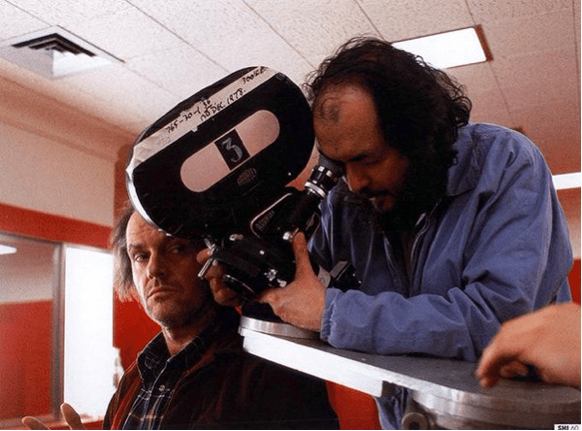
This is significant when we discuss men’s mental health. Men tend to avoid emotional confrontations. With this they mask their pain and can form unhealthy and sometimes immoral coping mechanisms. This is very much a psychological horror film, which has every intent in terrifying the audience, but beneath these scares is a man who is falling apart on every level. The majority of the film’s scenes take place where Jack is completely alone and has to deal with his problems in his head. In this regard, the muttering, demonic like dialogue in his mind runs on without a form of proper treatment. His untreated condition is what leads him to commit those horrific acts in the final third of the film. However, the film appears to the audience as more horror than psychological. The audience’s perspective sees a man who has gone mad and wishes to murder his wife. The opening scene is crucial in laying out the fundamentals. Where Stuart Ullman tells the tale of a man gone mad and murders his family with an Axe. This plants an expectation into the audience, one that resembles a classic horror tale. It’s the way the film is portrayed that you can unpick elements that resemble a severe psychological problem. These include, chronic isolation, physical anger and most importantly a reluctance for any peaceful settlement.
 TheReviewAwakens